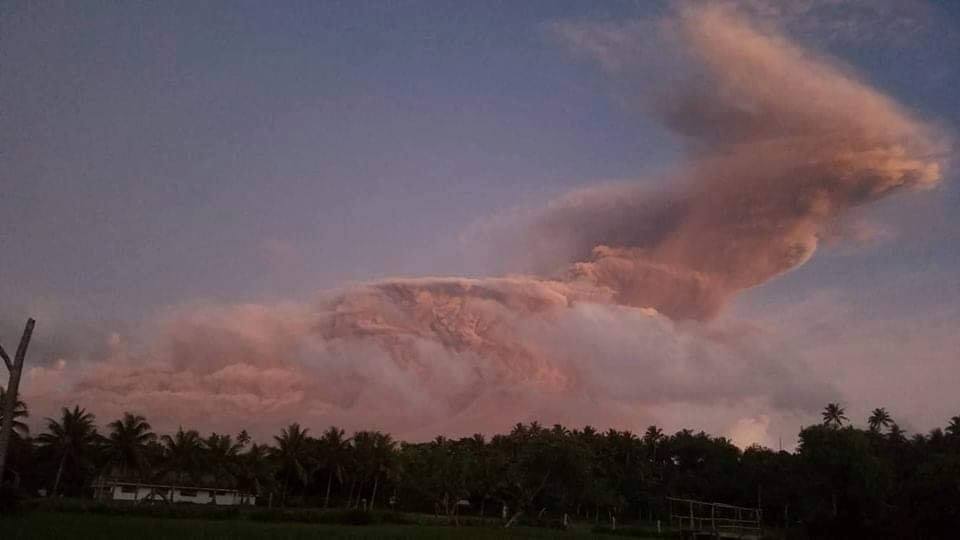
Ambrym, a large basaltic shield volcano located in Malampa Province within the archipelago of Vanuatu, is renowned for its persistent volcanic activity. Its 12-kilometer-wide caldera formed in a significant Plinian eruption approximately 1900 years ago. Within this caldera, the cones of Marum and Benbow hosted near-continuous lava lakes (prior to 2018), illuminating the island with their glow and generating frequent ash plumes.
Ambrym’s eruptive history is marked by both persistent activity and larger, more destructive events. Records indicate significant eruptions in the 19th and early 20th centuries, characterised by substantial lava flows, ashfall, and the occasional pyroclastic flows.
Extreme Pursuit has made over twenty visits to Ambrym, descending to the summit craters of both Marum and Benbow. We have documented an extraordinary period of volcanic transformation. You can read through some of our many expeditions and observations of this volcano below:
- Overview of our 2025 Expedition
- Overview of our 2023 Expedition
- Ambrym – A decade of fiery geology
- Ambrym – Post Eruption Expedition
- Ambrym’s famed lava lakes lost
- Return to the Fire Expedition (covering Ambrym)
- Expedition Vanuatu
- Descending inside Benbow Crater
| Location: | Ambrym Island, Malampa Province, Vanuatu |
| Coordinates: | -16.246825, 168.131693 |
| Volcano Type: | Pyroclastic shield |
Are Ambrym’s Lava Lakes still active?
As of 2025, Ambrym’s lava lakes are not active. Geological events in Dec 2018 brought about their destruction. While there have been a number of small, effusive eruptions since then that produced lava flows, they have been brief, typically lasting less than a week. Will the lava lakes ever return? It’s certainly possible. According to geological records, Ambrym’s lava lakes have appeared and disappeared many times throughout history.
Ambrym’s Location:
Ambrym’s Latest Status
2026: Alert Level 2 – Major Unrest. The lava lakes are not active. Feb – Some ground inflation has been recorded with high levels of SO2.
Ambrym’s Eruptive History
| Sept 2026 | Ambrym erupted on Sept 19, producing a plume to 3000m. Significant lava effusion is occurring (confined to within Marum crater only) and is also producing a red glow at night. |
| Jan 2026 | Ambrym Volcano erupted this morning (January 8, 2026) ending a dormancy period of over a year. The eruption occurred at approximately 6:50 AM local time with an ash plume rising from the caldera 6km high and drifting southwest toward Port Vatu and Craig Cove. Local villagers reported heavy, pungent, ash-laden rain following the event. The exact origin of the eruption remains unclear. |
| July 2025 | A recent expedition by Extreme Pursuit to the Benbow cone observed a significant increase in the volume of solidified lava. This lava originated from numerous vents and was also seen bubbling up on the inner plateau. The area continues to experience vigorous fumarolic degassing, which has created some notable sulfur deposits. Within the Mbogon (Taten) crater, a lava flow, estimated to be from April 2024, has created new lava tubes. The new cone within Niri Mbwelesu has been buried by a landslide. Meanwhile, the Mbwelesu crater in Marum has new lava flows of its own, which have formed multiple small cones. This area also shows signs of fumarolic degassing. |
| November 2024 | Nov 1 – Ambrym Volcano has erupted producing a small ash plume and recording a high thermal anomaly (621 MW) this morning. Effusive activity remains confined to the Benbow crater, with active lava flows likely present. |
| April 2024 | Following the Benbow eruption in January, Marum has now erupted with lava reaching the surface. A small ash plume to 2km was also generated. |
| January 2024 | Ambrym has erupted and lava has reached the surface. The eruption is confined to Benbow’s crater only. |
| December 2023 | Extreme Pursuit Expedition observed the new cone and lava flows within the Benbow crater. The intra-cone ash plateau has been severely eroded and will likely collapse entirely. Fumarolic activity still persistent. All cones are now green with plant life. |
| April 2022 | Lava is back! Benbow continued to glow bright throughout the night with vigorous degassing. Lava flows confirmed within the crater. MODIS data logged the first thermal anomaly @ 219 MW (High), but is confined to Benbow’s crater only. |
| April 2019 | Extreme Pursuit observed all craters and found no lava present in any. Benbow was particularly noisy with thunderous and vigorous fumarole activity. The craters are hardly recognisable, with the greatest changes observed in Benbow. The tephra wall has collapsed entirely. |
| December 2018 | Marum lava lake at highest level in perhaps 30 years. Unprecedented geological events followed which ultimately brought about the destruction of the famed lava lakes. An intra-caldera fissure eruption occurred (near the Lewolembwi Crater), lasting approximately four hours. Large fault line cracks opened in Paamal Village (eastern side of Ambrym). |
| October 2018 | Niri Mbwelesu has now transitioned into its own lava lake (from the strombolian activity we observed in January). Benbow’s lake remains low, however lava pulses are incredibly strong. A local guide commented they are largest he’s ever seen (200+ times to Benbow). |
| May 2018 | Marum’s lava lake has again risen and is now a single, large lake. |
| March 2018 | Multiple vents and minor ash plume observed in Niri Mbwelesu’s crater. Marum’s lava lake has dropped. Multiple vents now present. |
| Feb 2015 | Eruption from a new vent within the caldera. Multiple fissures and fire fountaining observed. First major lava flow in 25 years. |
| 1988-Ongoing | Near-continuous lava lake activity with periods of intensified explosions, lava flows, and ashfall. |
| 1970-1980 | Frequent lava lake activity, occasionally punctuated by larger explosions and ash emissions. |
| 1951 | Destructive eruption, major lava flows and ashfall, damage to infrastructure. |
| 1929 | Significant eruption, likely smaller than 1913-14 but still caused evacuations. |
| 1913-1914 | Very large eruption, extensive lava flows, significant ashfall, island-wide impacts. |
| 1894 | Major eruption with lava flows, ashfall, and likely pyroclastic flows. |
| 1800s | Several eruptions; descriptions suggest lava flows, ash plumes, possible explosive events. |
| 1774 | Emissions observed by Captain Cook, likely lava lake with moderate ash and gas output. |
| Pre-historical | Numerous eruptions, evidence includes lava flows, ash layers, and caldera formation. |
Ambrym Monitoring
For monitoring, please refer to the Vanuatu Meteorology and Geohazards Department.
Ambrym Images