
The Manaro Voui volcano (Ambae Island, Vanuatu) has entered a renewed and significant eruptive phase.
UPDATE: December 9, 2025: While ash emissions on Ambae appear to have paused for the moment, the volcano is still showing significant activity, with high SO2 output and medium-range thermal anomalies.

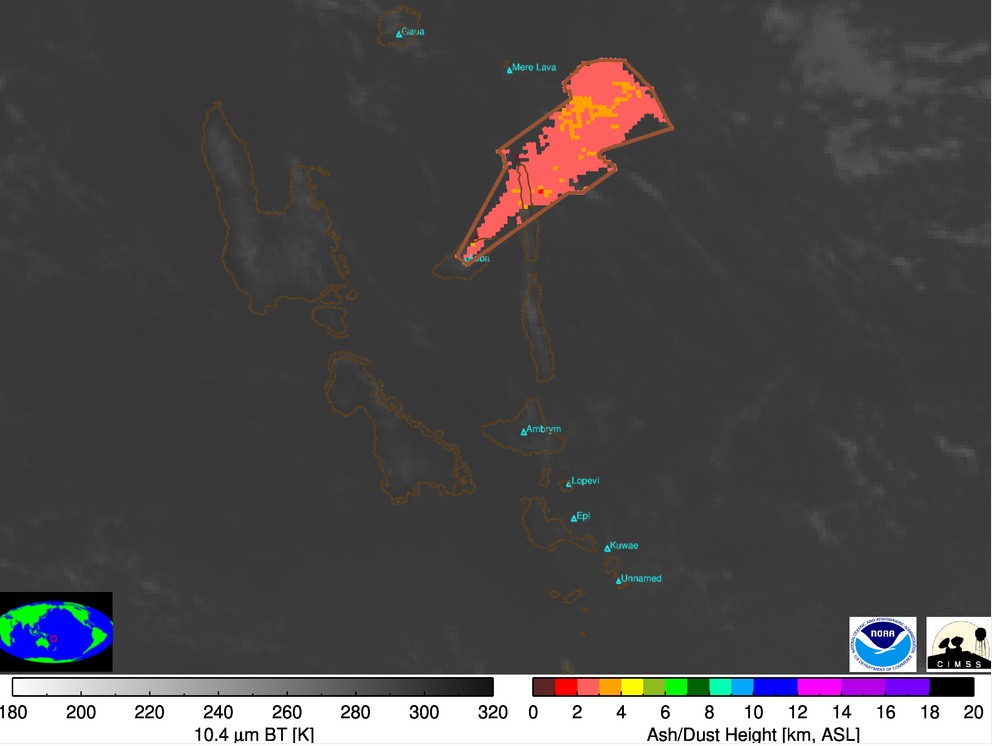
The current activity began on December 7, 2025, at approximately 03:50 UTC, marking the onset of a continuous eruption. This event generated a substantial ash cloud, which posed an immediate threat to air traffic.
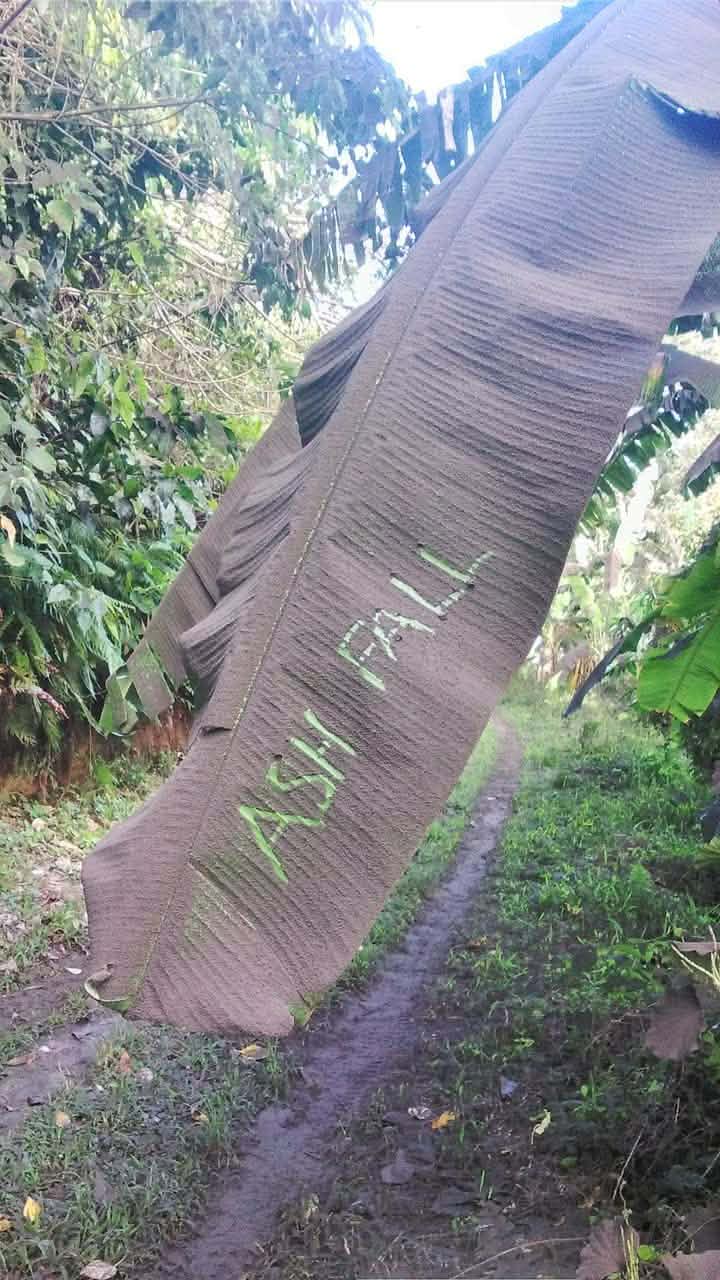
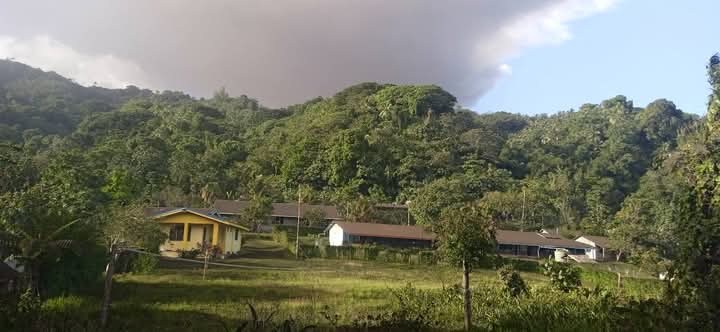
The continuous ash plume was initially estimated to be between 3 and 4 kilometers high. The Volcanic Ash Advisory Center (VAAC) Wellington later issued a warning confirming that the volcanic ash plume had risen to an estimated 12,000 feet (3,700 meters) above sea level. The ash cloud is currently being carried by prevailing winds in a northeast (NE) direction. This ash dispersal is causing significant ashfall affecting communities, particularly those in northern Ambae and the neighboring island of Maewo, posing potential hazards to respiratory health and infrastructure. We have received reports of ash covering homes and vegetation within the villages of Wainasasa and Lombaha.

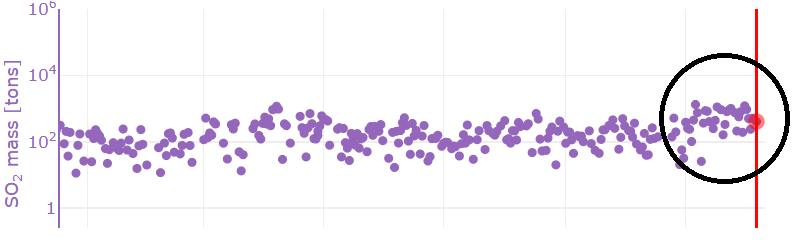
There has been a pronounced upward trend in sulfur dioxide emissions relative to baseline levels over the last several weeks. High SO2 flux is a common indicator of magma rising close to the surface. Additionally, a number of low to medium range thermal anomalies were recorded within the summit caldera, likely indicating elevated heat flow or the presence of new lava material within the active vents of Lake Voui.
Satellite imagery has confirmed that the eruption originated from the main active crater, which lies within the cone formed during the 2017-2018 eruptive sequence.
Sources: Landsat 8, Mounts Project, NOAA/CIMSS, Local Villager Photos (used with permission).