

Auckland, New Zealand has an incredible diversity of geological wonders, from the iconic volcanoes to the rugged, black-sand west coast beaches. But beyond the famous cones and surf beaches lie extraordinary features that are not widely known, or so well-hidden that very few have ever seen them.
In this article, we’re sharing some of the best secret geological wonders that you probably never knew existed in this wonderful city.
West Coast Intrusion Dikes
Auckland’s West Coast is home to many intrusion dikes. This one pictured is by far the best and most impressive and is a feeder dike from the ancient Waitakere Volcano. These features formed millions of years ago when magma was forced under high pressure into vertical cracks in the surrounding rock. Over time, the softer conglomerate cliffs eroded away, leaving behind these resilient, dark spines of rock.

Stewart’s Lava Cave & Tree Roots
Stewart’s Lava Cave remains one of the most impressive and intact examples in the city. Its sheer scale is what sets it apart with vaulted basalt chambers and impressive features.
What really steals the show, though, are the Pohutukawa tree roots that hang from cooling cracks in the ceiling. Over centuries, rainwater has washed soil and debris into these gaps, creating perfect, nutrient-rich pathways for the trees above. While most tree roots would shrivel and die the moment they hit the open air of a cave, the Pohutukawa is built differently. They are equipped with aerial roots that don’t just survive in the void, but thrive. Upon emerging from the ceiling, the root tips transform into thick, bark-covered cords that hang suspended in the damp air, drinking up the cave’s high humidity.

Waitemata Sandstone Folds
Sections of Auckland’s east coast cliffs are made of Waitemata Sandstones, a massive foundation that sat 2,000 meters deep on the ocean floor long before Auckland’s volcanoes erupted. About 20 million years ago, the region buckled as tectonic plates collided, creating a deep basin that filled with turbidites – violent underwater landslides of sand and mud. Each layer represents a single event.
The dramatic U-shape in the image shows where this ancient seafloor was crumpled sort of like a rug by massive slumping before the sediment had even finished hardening into stone.

Fluted sandstone pinnacles
The sharp ridges and fluted textures are created by wind and water gradually carving into soft sediment over thousands of years. Wind and especially water erosion sculpt the surface with differences in hardness creating the dramatic textures and spires.
They only form in this one small section of coast because the exact goldilocks mix that allows it to erode vertically while remaining standing. The rock is soft enough to be carved by rain, but firm enough to hold its shape. The section of cliff also has thinly layered sediments that are especially prone to vertical fluting when water flows over them.

Mira Lava Cave
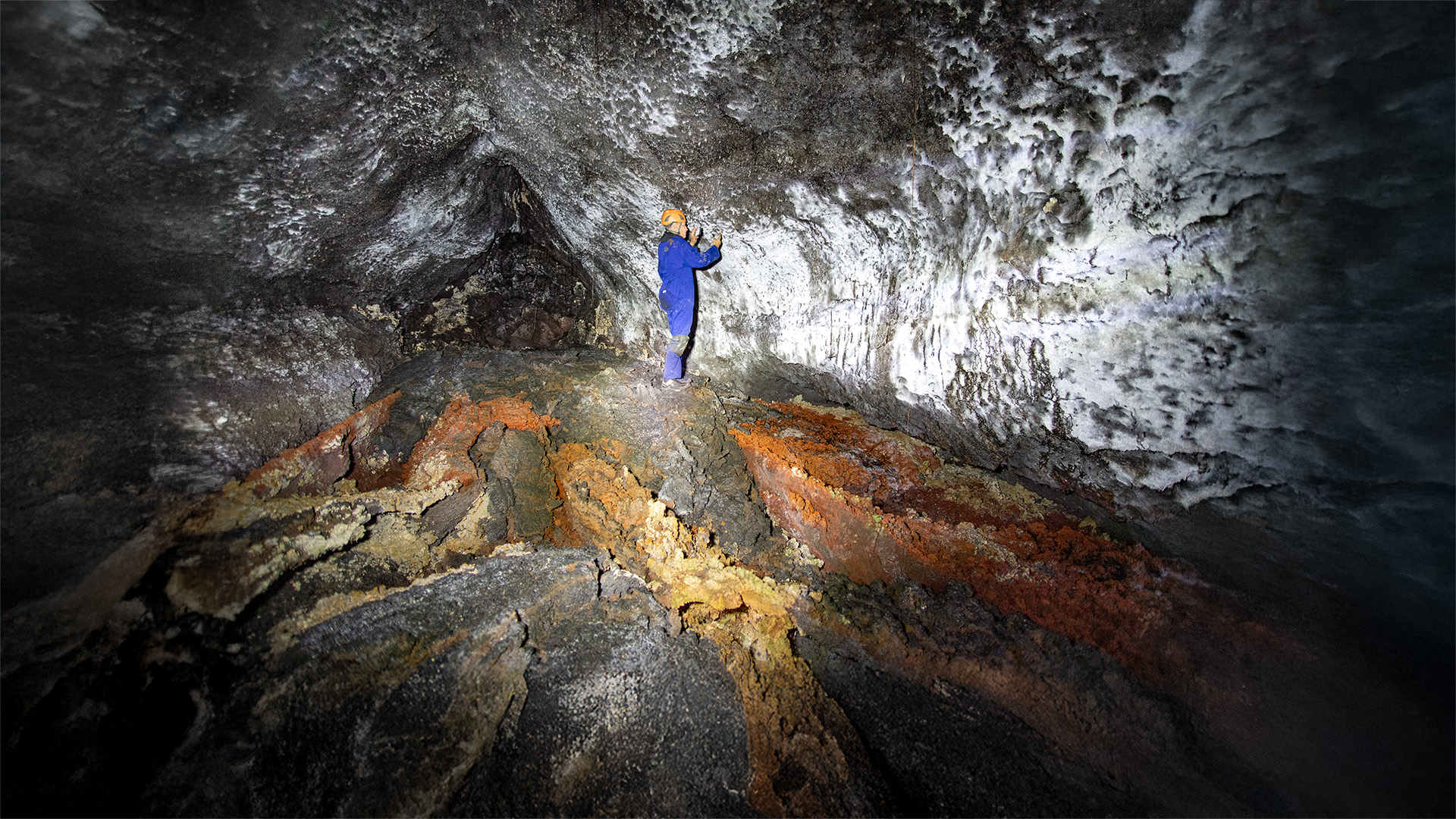
The Mira Lava Cave is a standout feature in the Auckland Volcanic Field due to its exceptional size, length, and unique geological formations. It was discovered by Extreme Pursuit only three years ago. This rare, multi-level lava tube features a six-meter-high natural skylight and a secondary passage running directly beneath the main cavern.
Unlike many of the region’s other caves, Mira is notable for its delicate mineral deposits. A striking white bacterial biofilm covers the walls and ceiling, where it is beautifully interspersed with delicate stalactites and lava straws.
Red Ribbon Chert
These striking red outcrops are composed of chert, a silica-rich rock formed 200 million years ago from the skeletal remains of microscopic marine organisms on the deep ocean floor. Its red hue is caused by iron oxide, while the dramatic, ribbon-like folds were created as tectonic plates collided, scraping and crumpling the seafloor layers against the continental edge.

Collapsed Sea Cave
The massive cavern is a sea cave formed by the relentless action of the Tasman Sea, which has scoured out a large chamber within the dark volcanic rock. A defining feature of this site is its enormous skylight, created when the roof of the cave collapsed under its own weight, allowing daylight to pour into the interior. The walls exhibit the rugged, fragmented textures of ancient volcanic flows that have been undercut by wave action over thousands of years.

Concretion Cannonballs
In Auckland, concretions are most commonly found embedded within 20 million year old sandstone and mudstone layers that form the city’s iconic coastal cliffs. These cannonball stones formed on the ancient seafloor when minerals like calcite precipitated around organic matter, cementing the surrounding sediment into hard spheres.
These examples are septarian concretions with distinctive internal cracking patterns visible where some have broken open.

Wiri Lava Tube
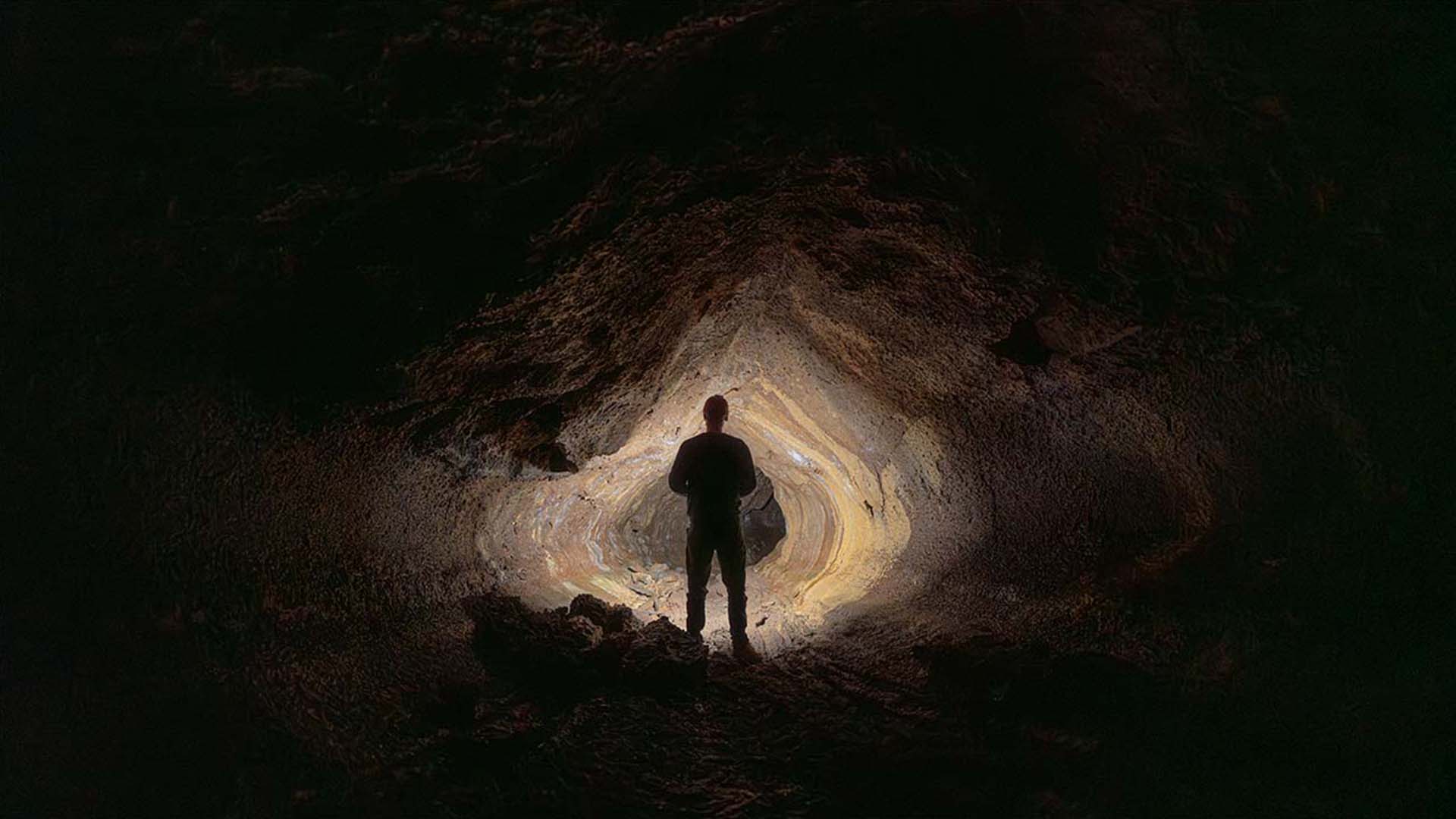
Wiri Lava Cave is the longest documented lava tube in the Auckland Volcanic Field, extending approximately 290 meters. Quite some time ago, I was able to visit the cave, though entry these days is now rarely permitted.
The interior contains well-preserved volcanic structures, such as smooth-surfaced floors and internal lateral ridges created by receding lava levels. The cave is notable for its delicate mineral and glass formations, including “gas-bubble” textures and fine, needle-like lava straws
To protect these delicate sites and respect private property rights, specific locations have been omitted. Please be aware that some areas are not accessible to the general public.